

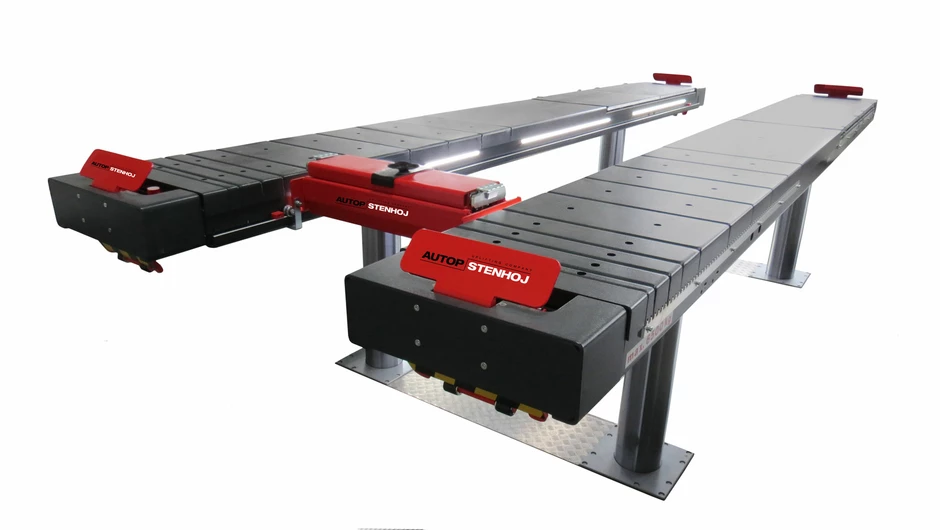

inground vehicle lifts
Inground vehicle lifts are installed below floor level to provide a clear, unobstructed workspace while safely raising vehicles for servicing, inspection and repair. Designed for workshops where space, workflow and presentation are critical, they offer a discreet and efficient lifting solution.
GEMCO supplies inground vehicle lifts engineered for reliability, durability and precise lifting performance. These systems are commonly used in high-end workshops, dealerships and specialist environments where clean floor layouts and safe vehicle access are essential.

Inground vehicle lifts are lifting systems installed beneath the workshop floor, allowing vehicles to be raised without visible lifting structures above ground. They are commonly used where space efficiency, accessibility and a clean working environment are priorities.

OUR RANGE OF inground vehicle lifts


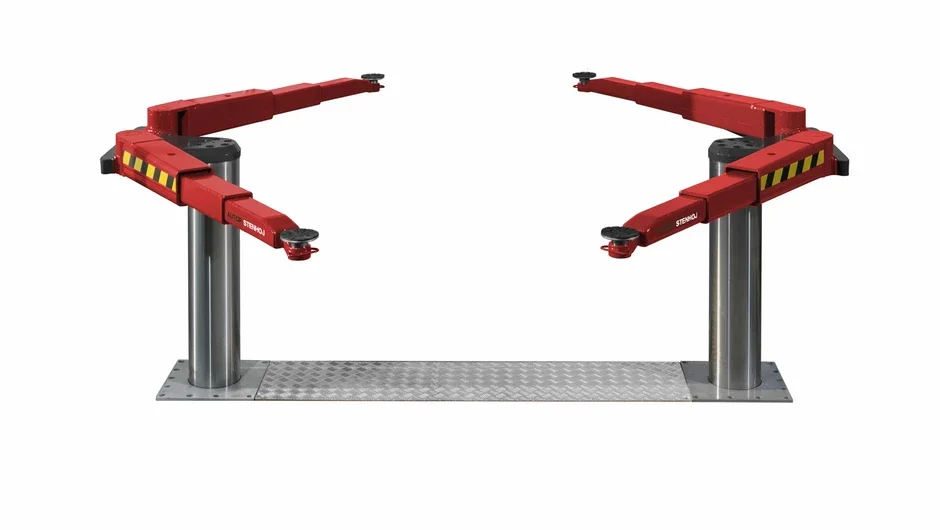
What is an Inground Vehicle Lift?
An inground vehicle lift is a hydraulic lifting system installed below the workshop floor. Unlike surface-mounted lifts, the lifting mechanism is concealed beneath the ground, allowing vehicles to be raised while maintaining a clear and open workspace.
These systems are designed to provide safe, stable lifting while maximising usable floor space, making them particularly suited to workshops where layout efficiency and accessibility are important.
Inground Vehicle Lift Configurations
Inground vehicle lifts are available in a range of configurations depending on workshop layout, vehicle type and operational requirements. Systems may use single or multiple lifting points, with designs focused on maintaining stability, access and lifting control throughout the service process.
Some configurations are optimised for standard passenger vehicles, while others are designed to support larger or specialist applications. The choice of system depends on lifting capacity, working environment and how the equipment integrates with wider workshop operations.
Benefits of Inground Vehicle Lifts
Inground vehicle lifts are widely used where workspace efficiency and accessibility are priorities. By positioning the lifting mechanism below floor level, they allow for a clear working area around the vehicle and reduce obstruction within the workshop.
This approach supports improved movement, cleaner layouts and more flexible use of space. In environments where presentation and workflow are important, inground systems provide a practical and unobtrusive lifting solution.

Installation and Planning Considerations
Installing an inground vehicle lift requires careful planning to ensure the system performs reliably over the long term. Ground preparation, drainage, environmental protection and system positioning all play a role in successful installation.
Because the lifting components are installed below floor level, correct specification and installation are essential to ensure safe operation, durability and ease of maintenance throughout the life of the equipment.
Selecting the Right Inground Vehicle Lift
Selecting the correct inground vehicle lift depends on the type of vehicles being serviced, workshop layout and operational requirements.
Workshops focused on passenger vehicles, commercial vehicles or specialist applications will require different lifting configurations and capacities. Consideration should also be given to how the lift integrates with other equipment and supports overall workflow.
GEMCO provides guidance on specification, installation and system selection to ensure each solution aligns with operational needs and delivers consistent performance.

Frequently Asked Questions about inground vehicle lifts
-
An inground vehicle lift is a lifting system installed below the workshop floor, allowing vehicles to be raised while maintaining a clear working space.
-
They provide unobstructed floor space, improved accessibility and a cleaner workshop environment compared to surface-mounted lifts.
-
They are best suited to workshops where space, layout and presentation are priorities, but require appropriate groundworks and installation planning.
-
Yes. Installation involves groundwork, drainage considerations and precise system setup to ensure safe and reliable operation.
-
Yes, depending on the configuration and lifting capacity selected.