


Garage Workshop Equipment Checklist

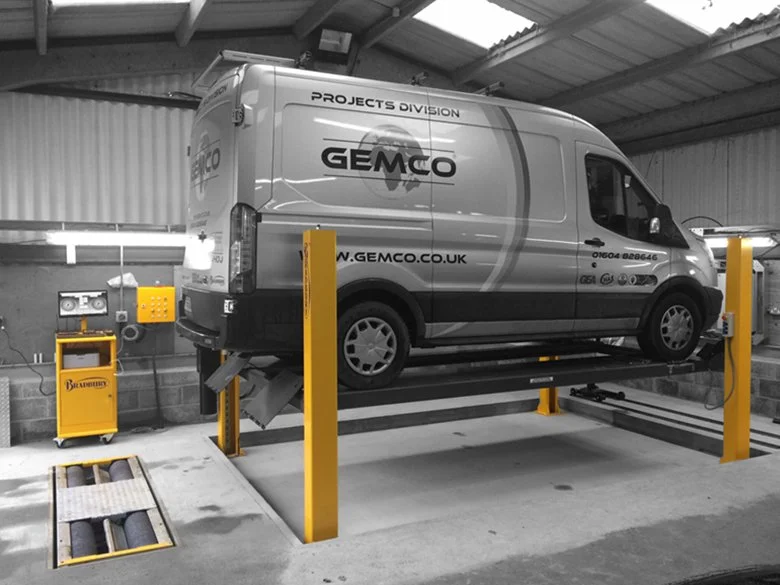
Vehicle lifts are essential equipment used in automotive workshops to raise vehicles safely for servicing and repairs. The most common types of vehicle lifts used in garages include two post lifts, four post lifts and scissor lifts, each designed for different servicing requirements and workshop layouts
Vehicle lifts are one of the most important pieces of equipment in any professional automotive workshop. They allow technicians to safely raise vehicles off the ground, providing access to the underside for servicing, inspection and repairs.
Vehicle lifts are mechanical systems used in automotive workshops to safely raise cars and commercial vehicles for servicing, inspection and repair.
Different types of vehicle lifts are designed for different workshop tasks. Some lifts are ideal for general servicing, while others are designed for wheel alignment, MOT testing or lifting heavier commercial vehicles.
Understanding the different types of lifts available helps workshops choose the right equipment for their services and the types of vehicles they work on.

Essential Vehicle Lifting Equipment
Vehicle lifts form the backbone of most automotive workshops, allowing technicians to safely raise vehicles for inspection, servicing and repair.
Common lift types used in garages include:
Two post lifts for general servicing and repairs
Four post lifts for inspections, wheel alignment and MOT testing
Scissor lifts for tyre work and quick service bays
Professional lifting equipment improves workshop productivity while providing safe access to the underside of the vehicle.
Wheel Alignment Equipment
Wheel alignment machines allow technicians to measure and adjust the angles of a vehicle’s wheels to ensure correct steering geometry and tyre wear.
Professional alignment equipment measures angles such as camber, caster and toe using CCD sensors, cameras or laser measurement systems.
Accurate wheel alignment improves vehicle handling, reduces tyre wear and helps maintain vehicle safety.

ADAS Calibration Systems
Modern vehicles increasingly rely on Advanced Driver Assistance Systems (ADAS) such as lane departure warning, adaptive cruise control and automatic emergency braking.
These systems rely on cameras and radar sensors that must be accurately calibrated after repairs, windscreen replacement or wheel alignment adjustments.
ADAS calibration equipment allows workshops to correctly align sensors and ensure safety systems operate as intended.
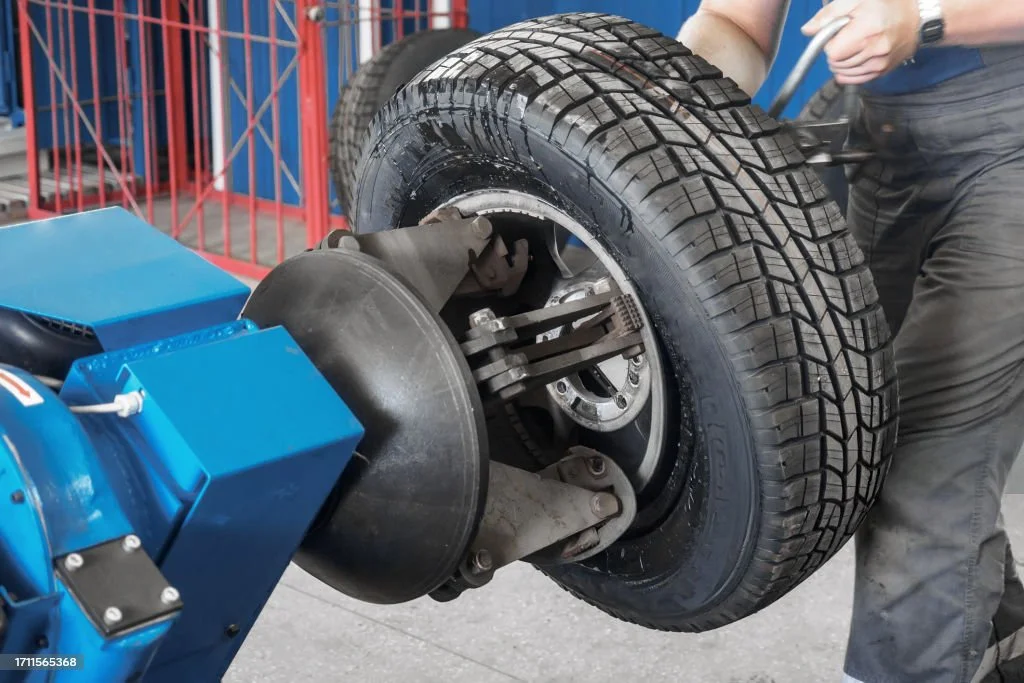
Tyre equipment is essential for workshops performing tyre replacement, balancing and wheel servicing.
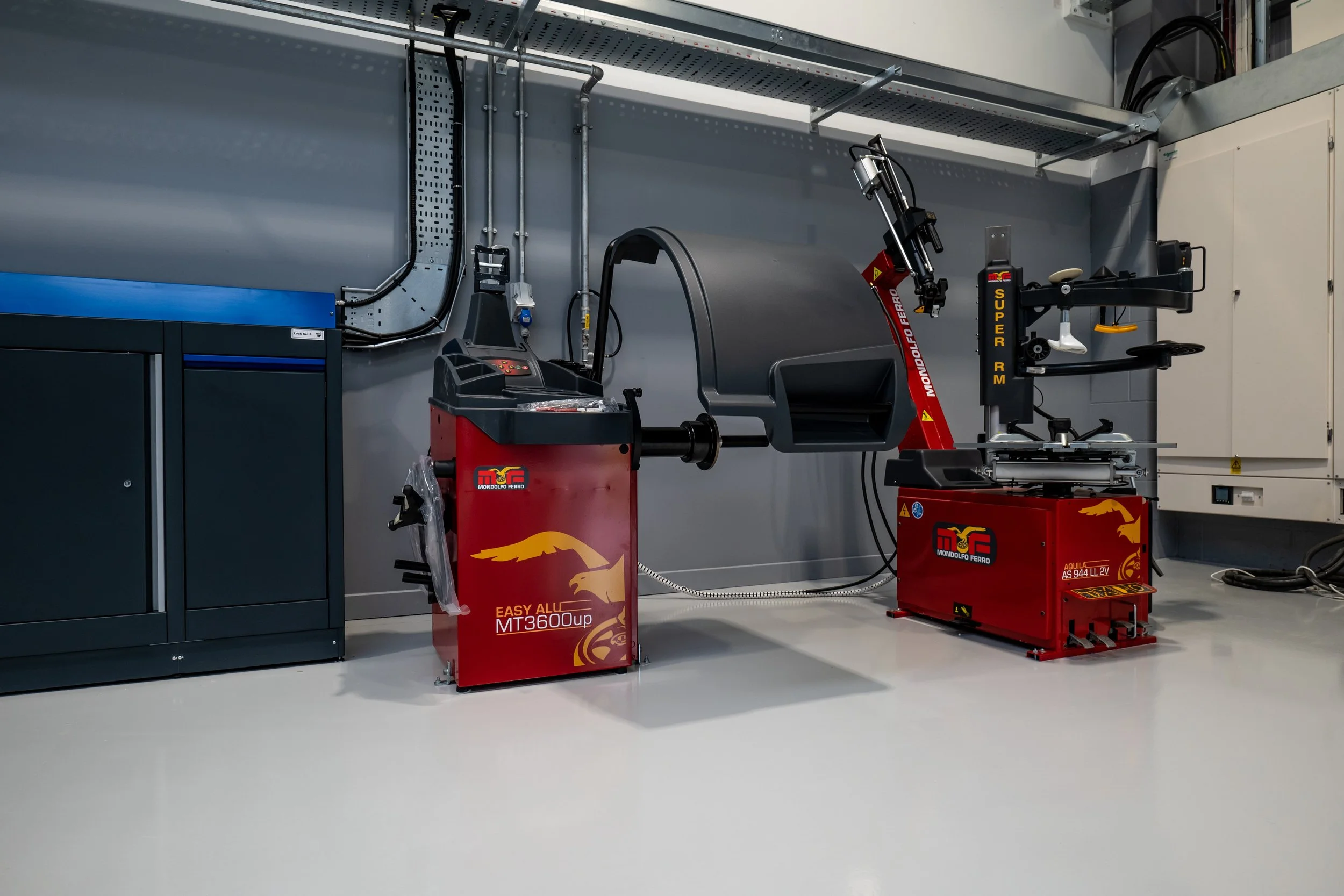
Typical tyre service equipment includes:
Tyre changing machines
Wheel trolleys and lifting tools
These machines allow technicians to safely remove and install tyres while maintaining wheel balance and vehicle performance.
Tyre Changing and Wheel Equipment

Brake testing equipment is required for MOT testing stations and workshops performing brake inspections.
Roller brake testers measure braking force across each wheel and help technicians diagnose braking performance issues.
These systems are commonly used in MOT test lanes and larger workshop environments.
Roller Brake Testing Equipment for MOT Stations

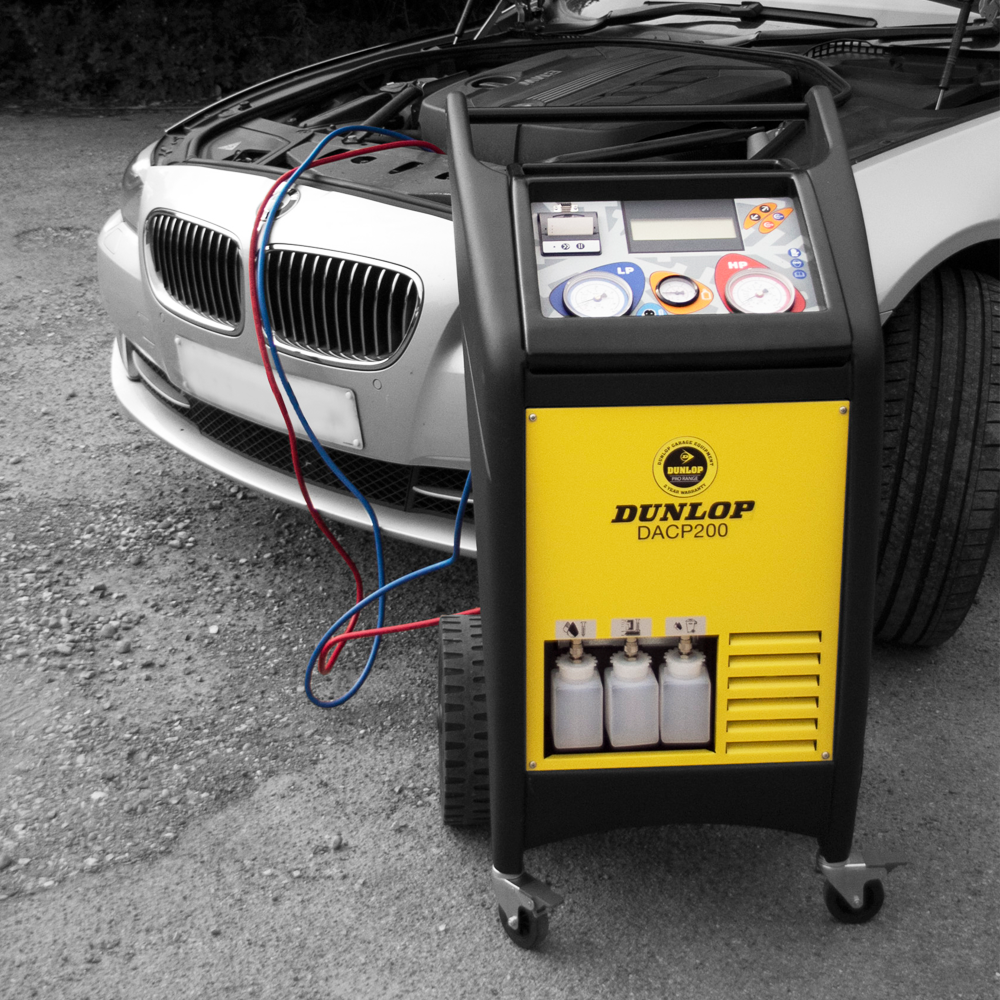
Air conditioning servicing has become a common workshop service due to modern vehicle climate systems.
Air conditioning machines allow technicians to recover refrigerant gas, vacuum test the system and recharge refrigerant safely.
Workshops may use machines designed for both R134a and R1234yf refrigerants depending on the vehicle
Automotive Air Conditioning Service Machines
Emissions Testing Equipment
Vehicle emissions testing equipment is used to measure exhaust gases and ensure vehicles meet environmental regulations.
Modern emission testers measure pollutants such as carbon monoxide, hydrocarbons and smoke levels in diesel engines.
These systems are often used in MOT testing stations and professional workshops.
Workshop Tools and Maintenance Equipment
In addition to specialised equipment, workshops rely on a wide range of general service tools including:
hydraulic presses
transmission jacks
trolley jacks
workshop cranes
These tools assist technicians with component removal, engine work and heavy mechanical repairs.
How to Choose the Right Garage Equipment for a New Workshop
Choosing the correct workshop equipment depends on the type of vehicles being serviced, the available workshop space and the services the garage intends to offer.
Many workshops begin with essential equipment such as vehicle lifts, tyre service machines and diagnostic tools before expanding into advanced systems such as wheel alignment machines, brake testing equipment and ADAS calibration systems.
Planning workshop equipment carefully ensures technicians can work efficiently while maintaining safety and compliance with industry standards.

Frequently Asked Questions about garage workshop equipment
-
A new garage typically requires vehicle lifts, wheel alignment machines, tyre equipment, diagnostic tools, brake testing equipment and general workshop tools.
-
Vehicle lifts are often considered the most important equipment because they allow technicians to safely access the underside of vehicles for servicing and repairs.
-
Many professional workshops install wheel alignment machines to provide alignment services and improve tyre wear and vehicle handling.
-
An MOT station requires specialised equipment including brake testers, emissions testers, vehicle lifts and headlight testing equipment in order to meet DVSA regulations.