


What equipment is required for an mot bay
An MOT bay requires specialised equipment used to inspect braking performance, emissions, suspension and vehicle safety. Typical MOT testing equipment includes roller brake testers, emissions analysers, vehicle lifts and headlight testing equipment used during official DVSA MOT inspections.
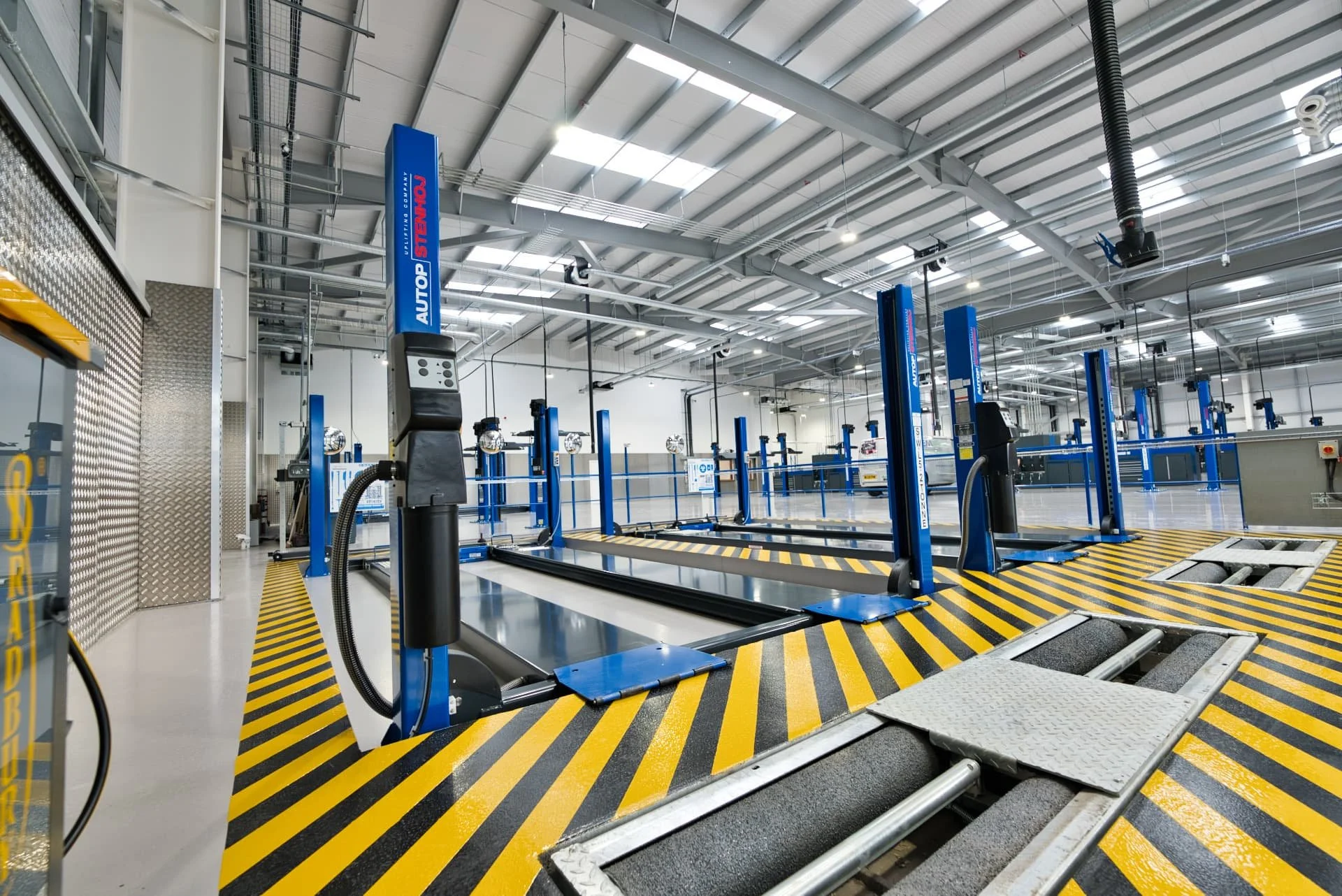
Typical MOT testing bays include a range of equipment used to inspect brakes, steering, suspension, lighting and vehicle emissions. These systems allow testers to evaluate vehicle safety quickly and accurately during the MOT inspection process.
Because MOT testing equipment must meet strict regulatory requirements, garages installing an MOT bay must ensure their equipment complies with DVSA standards.


MOT Bay Equipment Explained
MOT testing equipment allows authorised testing stations to carry out the official MOT inspection required for vehicles in the UK. Each item of equipment performs a specific part of the inspection process, helping technicians measure vehicle performance and identify potential safety issues.
Modern MOT bays are often configured as ATL (Automated Test Lanes), where multiple pieces of testing equipment are integrated into a single inspection lane.
These systems allow testers to carry out several inspection procedures efficiently while recording test results electronically.


Roller brake testers
Roller brake testers are used to measure the braking performance of vehicles during the MOT test.
The vehicle is driven onto a set of rollers that rotate the wheels while the braking force is measured. The system compares braking performance between the left and right wheels on each axle to ensure the braking system operates correctly.
Brake testers are one of the most important pieces of equipment used in MOT testing stations.

Vehicle Lifts for MOT Testing
Vehicle lifts allow technicians to inspect the underside of the vehicle during the MOT test. These lifts provide access to components such as suspension systems, steering parts and exhaust systems.
Many MOT bays use four post lifts or scissor lifts designed specifically for ATL installations.
These lifts allow testers to raise the vehicle safely while carrying out inspection procedures.
emissions testing equipment
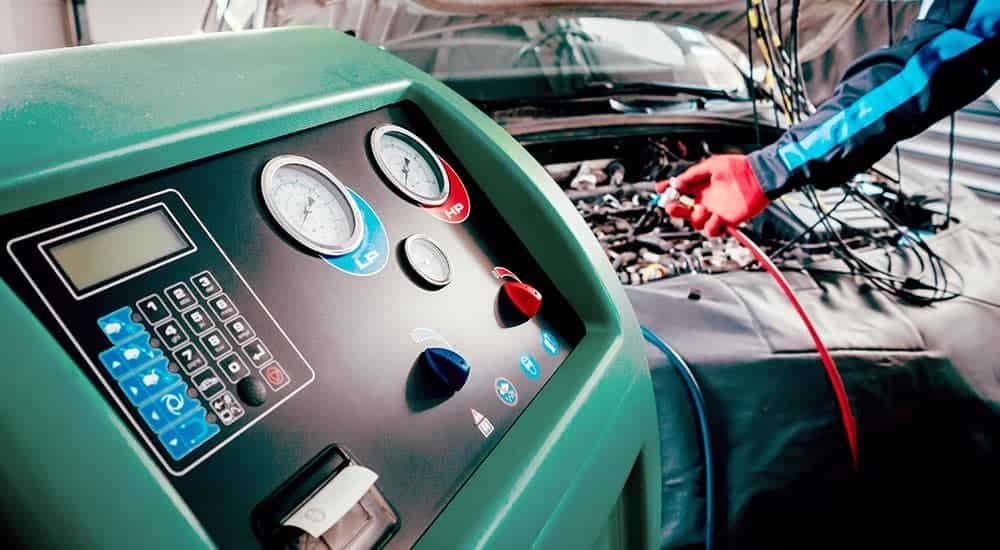
Emissions testers measure the gases produced by the vehicle’s exhaust system to ensure they comply with environmental regulations.
Petrol vehicles are tested using gas analysers, while diesel vehicles are tested using smoke meters. These machines measure emissions levels and determine whether the vehicle meets the required standards.
headlight testing equipment
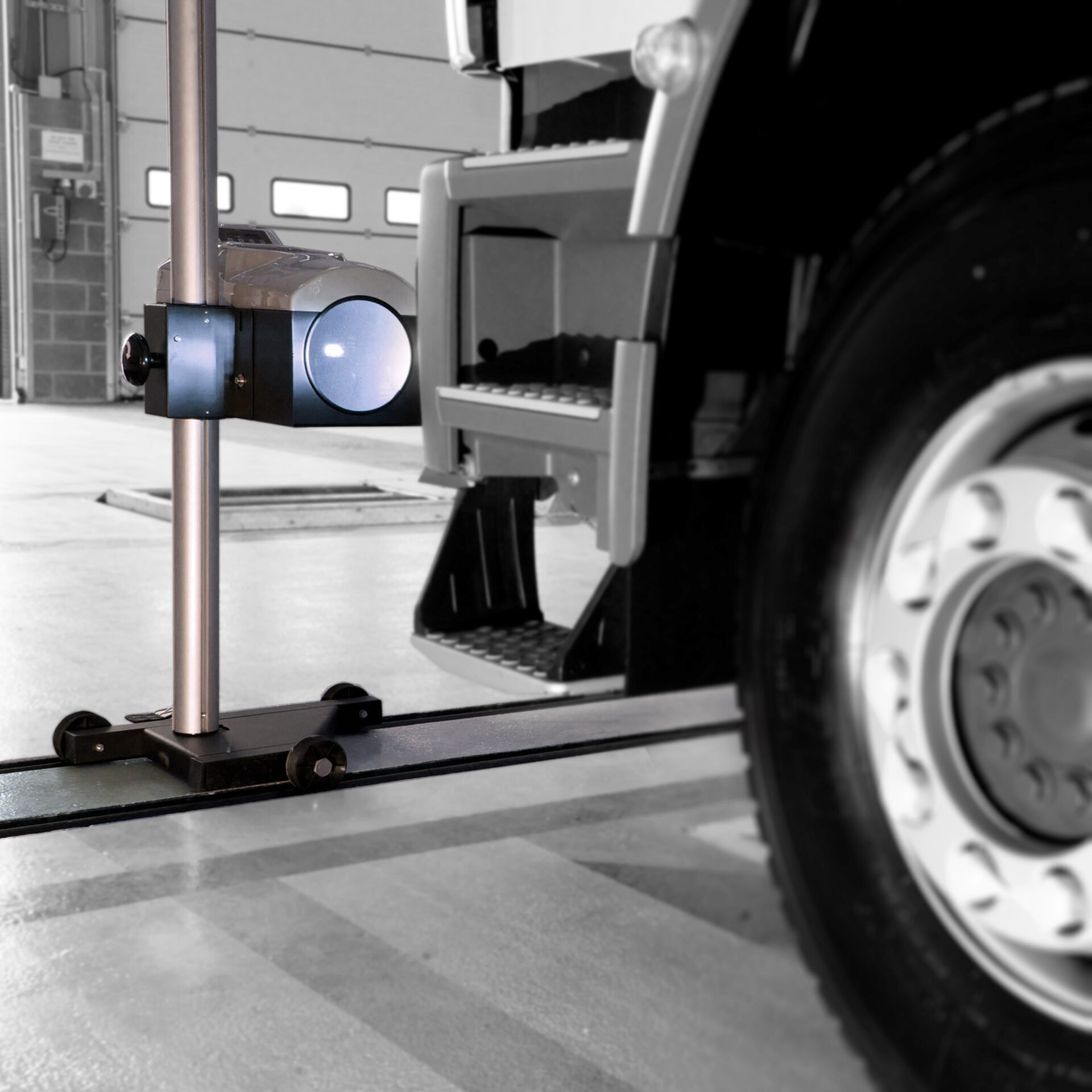
Headlight testers check that a vehicle’s headlights are correctly aligned and operating at the correct brightness.
Improperly aligned headlights can reduce visibility and create safety risks for other road users. Headlight testing equipment ensures that vehicle lighting systems meet the required standards.

Equipment and Integrated Testing Lanes
Many modern MOT stations use Automated Test Lanes (ATL) where multiple pieces of MOT testing equipment are integrated into a single inspection lane.
An ATL system typically includes:
roller brake tester
emissions tester
vehicle lift
headlight tester
suspension tester
These systems allow testers to complete MOT inspections efficiently while automatically recording test results.

Frequently Asked Questions about mot bay equipment
-
Typical MOT bay equipment includes a roller brake tester, emissions tester, vehicle lift, headlight tester and suspension testing equipment.
-
An ATL (Automated Test Lane) integrates multiple pieces of MOT testing equipment into one inspection lane, allowing testers to carry out the MOT test more efficiently.
-
Yes. MOT stations must use DVSA-approved equipment to measure braking performance, emissions and other vehicle safety systems.
-
Garages can install MOT testing equipment, but the facility must meet DVSA regulations and be approved before it can carry out official MOT tests.