


what is adas calibration?

ADAS stands for Advanced Driver Assistance Systems. These systems use cameras, radar sensors and electronic control units to support driver safety features such as lane departure warning, adaptive cruise control and automatic emergency braking.
Because these systems rely on precise sensor positioning, they must be correctly calibrated to ensure they operate safely and accurately.
ADAS Calibration Explained
ADAS calibration is the process of aligning and configuring the cameras and sensors used by advanced driver assistance systems. Calibration ensures these systems can correctly detect road markings, vehicles and obstacles so that safety features operate accurately.
Calibration is often required after windscreen replacement, suspension work, wheel alignment adjustments or accident repairs. Professional workshops use specialist ADAS calibration equipment and diagnostic software to restore the system to manufacturer specifications.
Why Workshops Need ADAS Calibration
Modern vehicles increasingly rely on ADAS features such as lane departure warning, adaptive cruise control and automatic emergency braking. Because these systems depend on cameras and radar sensors being positioned precisely, calibration is essential after repairs or component replacement.
For workshops, ADAS calibration is no longer a niche service. It is becoming a routine part of modern vehicle servicing, particularly after windscreen replacement, suspension work, wheel alignment adjustments and accident repair.


Why ADAS Calibration Is Important
ADAS safety systems rely on accurate sensor positioning to detect road markings, surrounding vehicles and obstacles.
If sensors become misaligned, the system may interpret road conditions incorrectly, which can affect safety features such as lane keeping assistance or automatic emergency braking.
Correct calibration ensures these systems operate as designed by the vehicle manufacturer.

What Systems Use ADAS Sensors
Advanced Driver Assistance Systems rely on a combination of cameras, radar sensors and electronic control systems to monitor road conditions and assist the driver. These technologies are designed to improve vehicle safety by providing warnings or automatically intervening when potential hazards are detected.
Many modern vehicles include a range of ADAS features that depend on accurately calibrated sensors. Common systems include lane departure warning, which alerts drivers when the vehicle begins to drift out of its lane, and adaptive cruise control, which automatically adjusts vehicle speed to maintain a safe distance from other traffic.
Other systems such as automatic emergency braking, blind spot monitoring and traffic sign recognition also rely on cameras and radar sensors to function correctly. Because these systems depend on precise sensor positioning, even small changes in alignment can affect their accuracy.
Static vs Dynamic ADAS Calibration
ADAS calibration procedures generally fall into two categories: static calibration and dynamic calibration. The method required depends on the vehicle manufacturer and the specific ADAS system being calibrated.
Static calibration is performed inside the workshop using specialised calibration frames and targets. The vehicle is positioned on a level surface and targets are placed at precise distances and heights relative to the vehicle. Diagnostic software then guides the technician through the calibration process while the sensors align with the targets.
Dynamic calibration, by contrast, is carried out while the vehicle is being driven. During a controlled road test, the vehicle’s sensors monitor road markings, traffic and environmental conditions while the onboard systems recalibrate themselves automatically.
Many vehicles require a combination of both static and dynamic calibration procedures to ensure the ADAS system functions correctly.

When ADAS Calibration Is Required
ADAS calibration is often required whenever work is carried out on parts of the vehicle that affect sensor positioning or suspension geometry.
One of the most common situations requiring calibration is windscreen replacement, as many vehicles have cameras mounted behind the windscreen that must be precisely aligned. If the camera position changes even slightly, the system may no longer interpret road markings accurately.
Calibration may also be necessary after collision repairs, suspension adjustments or wheel alignment work, as these procedures can alter the relationship between the vehicle chassis and the ADAS sensors. In some cases, replacing components such as radar sensors or control units will also require recalibration.
Because ADAS systems play an important role in vehicle safety, manufacturers typically recommend recalibration whenever these types of repairs are performed.
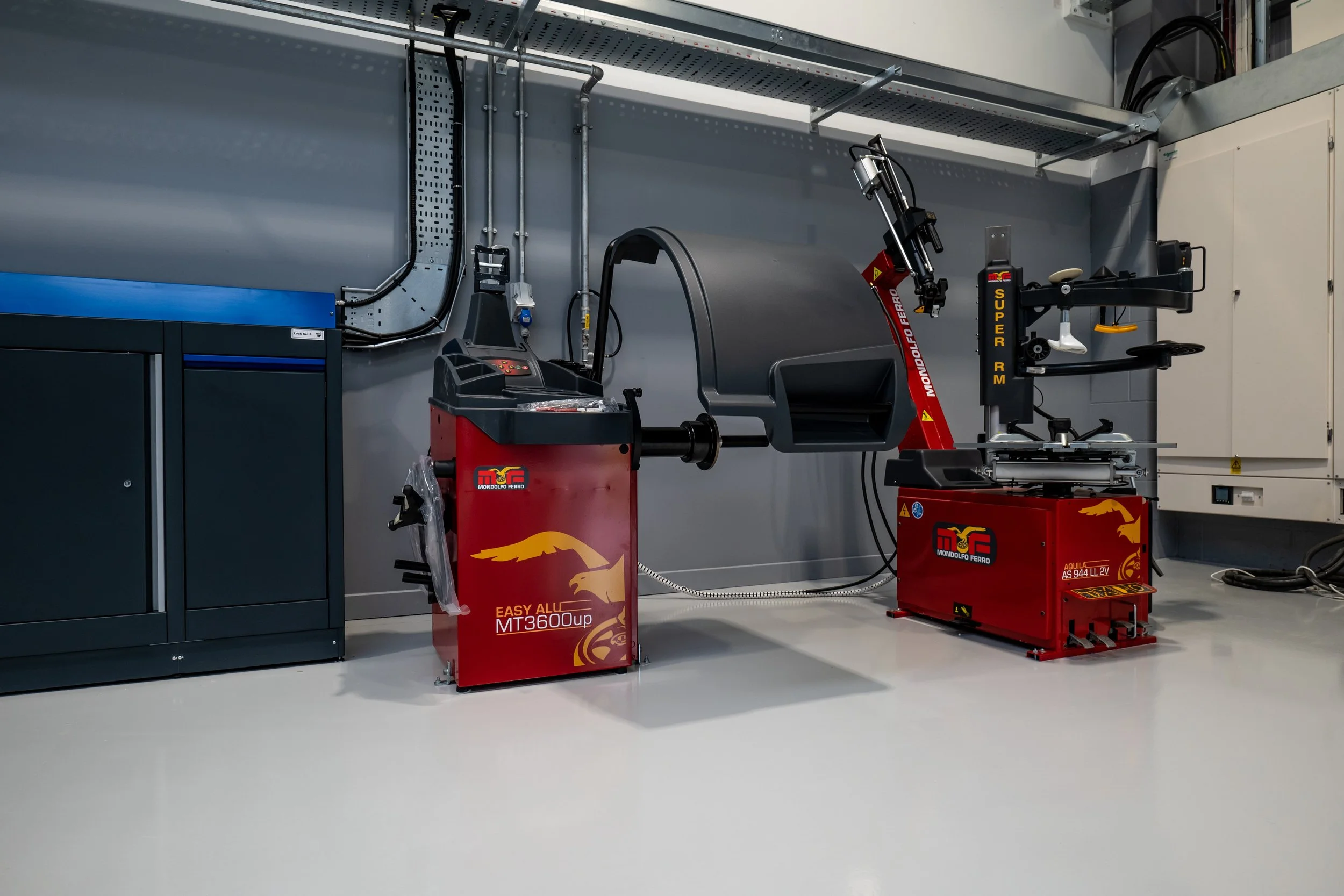
ADAS Calibration Equipment Used in Workshops
Modern workshops require specialised equipment to perform ADAS calibration procedures accurately. These systems are designed to position calibration targets precisely relative to the vehicle so that sensors can be aligned according to manufacturer specifications.
Typical ADAS calibration equipment includes adjustable calibration frames, radar reflectors and visual targets used by camera systems. Technicians also use diagnostic software connected to the vehicle’s onboard computer to initiate and verify the calibration process.
Many workshops combine ADAS calibration equipment with wheel alignment systems, as correct wheel alignment is often required before calibration procedures can begin. This ensures the vehicle geometry is correct before the sensors are aligned.
ADAS and Future MOT Testing
ADAS technology is becoming increasingly common in modern vehicles, and industry experts expect it to play a larger role in future vehicle safety inspections.
At present, ADAS systems are not a dedicated element of the UK MOT test. However, if an ADAS-related fault causes a warning light to appear on the dashboard, the vehicle may fail the MOT test under existing warning light rules.
The Driver and Vehicle Standards Agency (DVSA) has indicated that it is monitoring the increasing use of ADAS technology in vehicles, and future testing procedures may evolve as these systems become more widespread.
As a result, many workshops are already investing in ADAS calibration equipment to support the growing number of vehicles equipped with these safety technologies.
ADAS Calibration in Modern Workshops
ADAS calibration has quickly become an essential service for modern automotive workshops. As manufacturers introduce more advanced driver assistance features, garages must ensure they have the equipment and expertise required to maintain these systems correctly.
Calibration equipment allows technicians to restore sensor alignment after repairs and ensure that safety systems function as intended by the vehicle manufacturer. This not only improves vehicle safety but also provides workshops with an additional service offering that supports the maintenance of modern vehicles.
Because ADAS systems are expected to become increasingly common in the coming years, workshops that invest in calibration technology are better positioned to support future vehicle servicing requirements.

Frequently Asked Questions about aDAS CALIBRATION
-
ADAS calibration is the process of adjusting the cameras and sensors used by advanced driver assistance systems so they correctly detect road conditions and vehicle positioning.
-
ADAS calibration is commonly required after windscreen replacement, accident repairs, suspension work or wheel alignment adjustments.
-
ADAS calibration equipment typically includes calibration frames, radar reflectors, targets and diagnostic software used to align sensors with manufacturer specifications.
-
Static calibration is performed in the workshop using calibration targets and equipment. Dynamic calibration occurs during a road test where the vehicle recalibrates its sensors while driving.