


Workshop Tools Maintenance Guide

Proper maintenance of workshop tools and garage equipment is essential for ensuring safe and efficient operation in automotive workshops. Regular inspection and servicing of equipment helps prevent breakdowns, reduces repair costs and extends the lifespan of important workshop machinery.
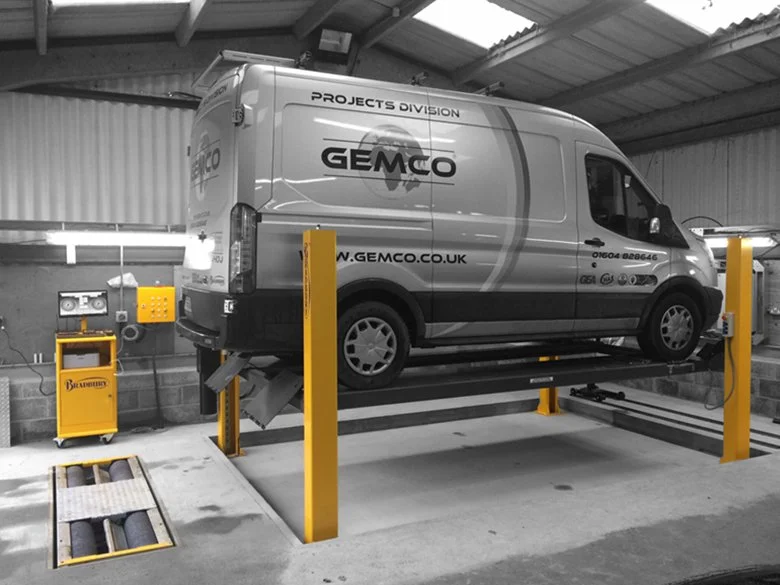
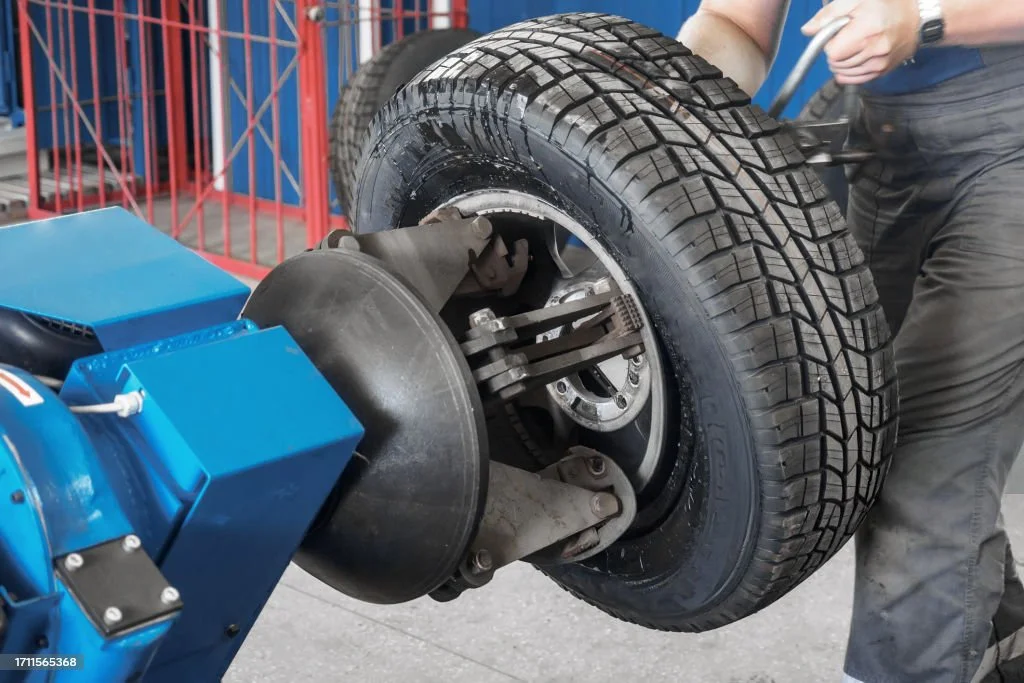
Automotive workshops rely on a wide range of equipment including vehicle lifts, tyre changers, wheel balancers and brake testing equipment. Keeping these tools properly maintained allows technicians to work safely while maintaining professional service standards.
A structured workshop tools maintenance plan helps garages minimise downtime and ensure equipment continues to operate reliably.
Why Workshop Tool Maintenance Is Important
Workshop equipment operates under heavy use and requires regular maintenance to remain safe and reliable.
Poorly maintained equipment can lead to mechanical failures, inaccurate test results and potential safety risks for technicians.
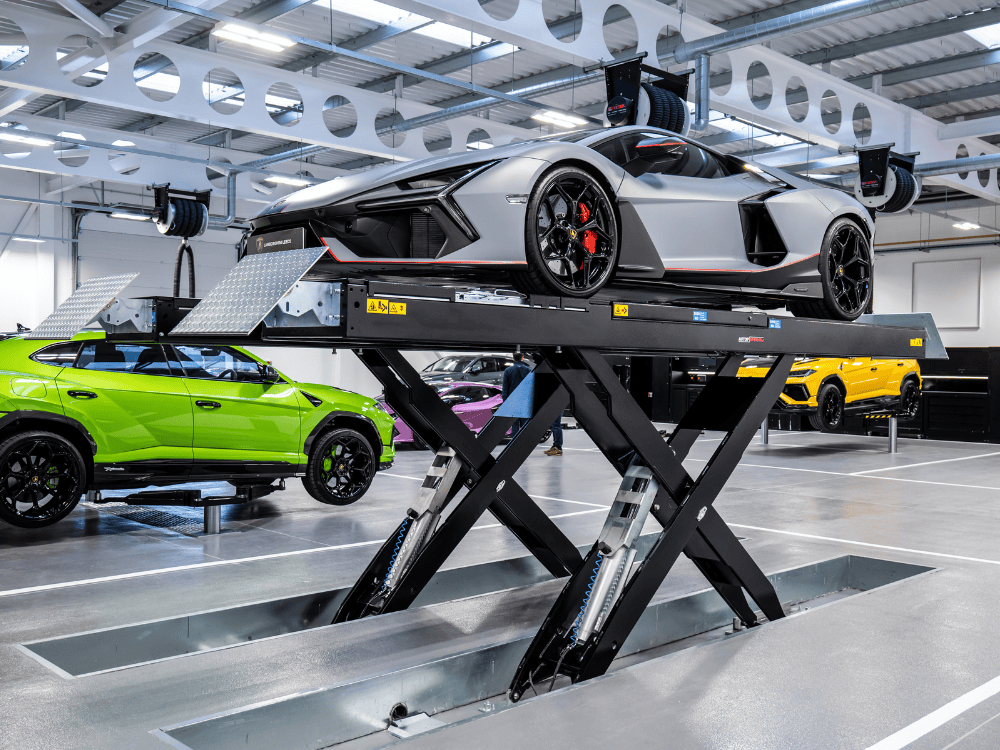
Regular maintenance helps ensure that equipment such as vehicle lifts, wheel alignment machines and brake testers continue to operate correctly and comply with safety standards.
Proper maintenance also reduces unexpected repair costs and prolongs the lifespan of expensive workshop machinery.
Common Workshop Equipment That Requires Maintenance
Automotive workshops use a wide range of tools and machines that require periodic inspection and servicing.
Examples of equipment that should be maintained regularly include:
diagnostic equipment
Each type of equipment may require different maintenance procedures depending on the manufacturer’s specifications.
Daily Workshop Equipment Checks
Simple daily inspections help identify potential issues before they become serious problems.
Technicians should regularly check equipment for visible damage, loose components and unusual noises during operation.
Daily checks may include:
inspecting lifting arms and safety locks on vehicle lifts
checking air hoses and pneumatic systems
ensuring electrical cables and connections are secure
confirming equipment controls operate correctly
These routine inspections help maintain safe working conditions in the workshop.
Scheduled Equipment Servicing
In addition to daily checks, workshop equipment should undergo scheduled servicing to maintain performance and safety.
Servicing schedules vary depending on equipment type and manufacturer recommendations.
Typical maintenance tasks may include:
lubrication of moving components
calibration of testing equipment
inspection of hydraulic systems
replacement of worn components
software updates for diagnostic systems
Following manufacturer service intervals ensures equipment continues to operate reliably.

Safety Considerations for Workshop Equipment
Maintaining workshop equipment is closely linked to workplace safety.
Faulty or poorly maintained equipment can increase the risk of accidents or incorrect vehicle inspections.
Regular maintenance ensures that equipment safety features such as emergency stop systems, safety locks and protective guards function correctly.
Workshops should also ensure technicians are trained in the correct use of equipment and understand maintenance requirements.
Maintaining Specialist Workshop Equipment
Some types of equipment require specialised maintenance procedures.
For example:
Wheel alignment machines may require periodic calibration to ensure measurement accuracy.
Brake testers must be regularly inspected to maintain accurate braking performance measurements.
Vehicle lifts require inspection of hydraulic components, cables and safety mechanisms to ensure safe lifting operations.
Maintaining specialist equipment helps workshops meet professional standards and regulatory requirements.
Creating a Workshop Maintenance Schedule
Developing a structured maintenance schedule helps garages organise equipment inspections and servicing tasks.
A maintenance plan should include:
daily equipment inspections
scheduled servicing intervals
calibration checks for testing equipment
records of maintenance activities
Keeping detailed maintenance records helps workshops track equipment performance and demonstrate compliance with safety regulations.

Frequently Asked Questions
-
Workshop equipment should be inspected daily and serviced according to manufacturer recommendations. Regular servicing helps ensure equipment remains safe and reliable.
-
Proper maintenance prevents equipment failures, improves safety and extends the lifespan of expensive workshop machinery.
-
Equipment such as vehicle lifts, tyre changers, wheel balancers, brake testers and wheel alignment machines should all undergo regular inspection and servicing.
-
Poorly maintained equipment can become unsafe to use, produce inaccurate test results and lead to costly breakdowns.