


mot lift & atl vehicle testing lifts
MOT lifts are specialist vehicle lifts used in MOT testing stations and automated test lanes (ATL) to inspect vehicle safety systems. These lifts are engineered to meet DVSA requirements and allow technicians to carry out vehicle inspections safely and accurately during MOT testing.
Unlike standard workshop lifts, MOT lifts are designed with integrated inspection equipment and drive-on platforms that keep the vehicle supported on its wheels during testing. This allows inspectors to carry out suspension checks, steering inspections and other safety tests required during MOT examinations.
GEMCO supplies a range of professional MOT and ATL lifts suitable for Class 4 and Class 7 vehicle testing stations. These lifts are designed for durability, safety and reliable performance in busy workshop environments.

OUR RANGE OF mot & atl lifts


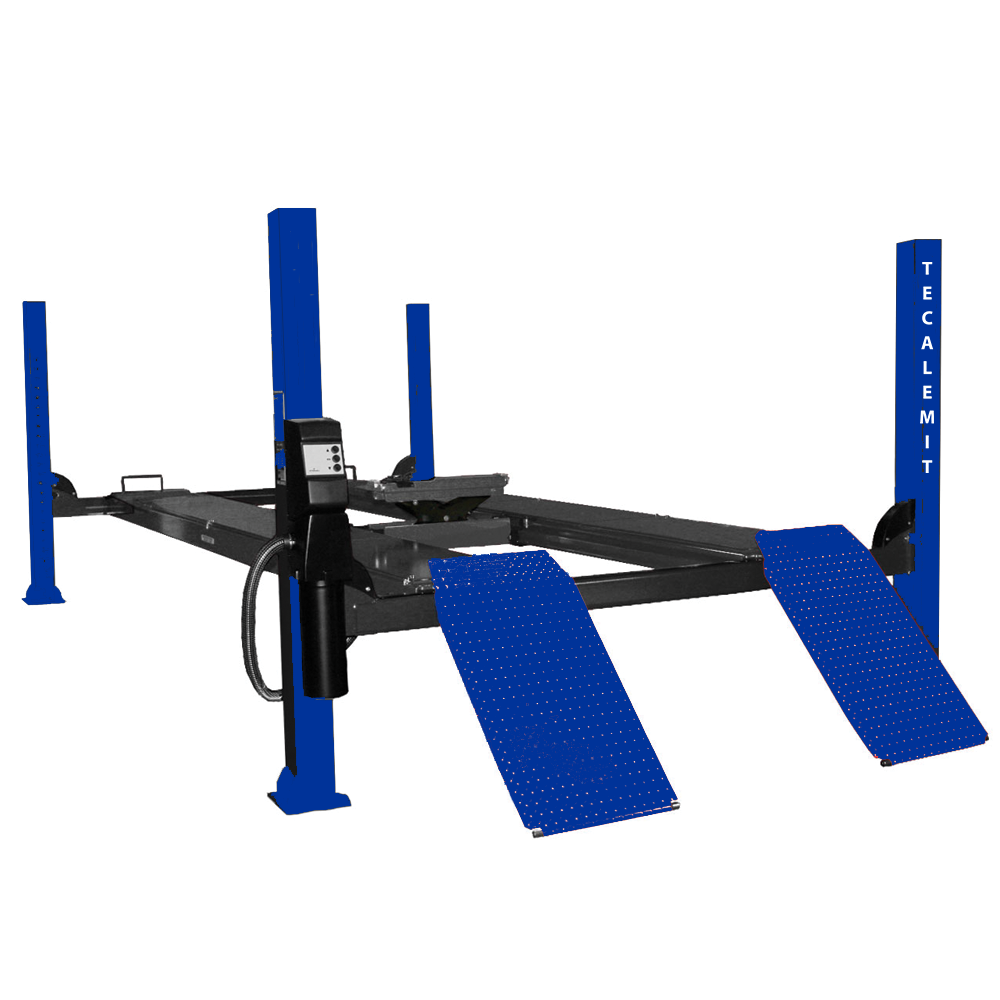

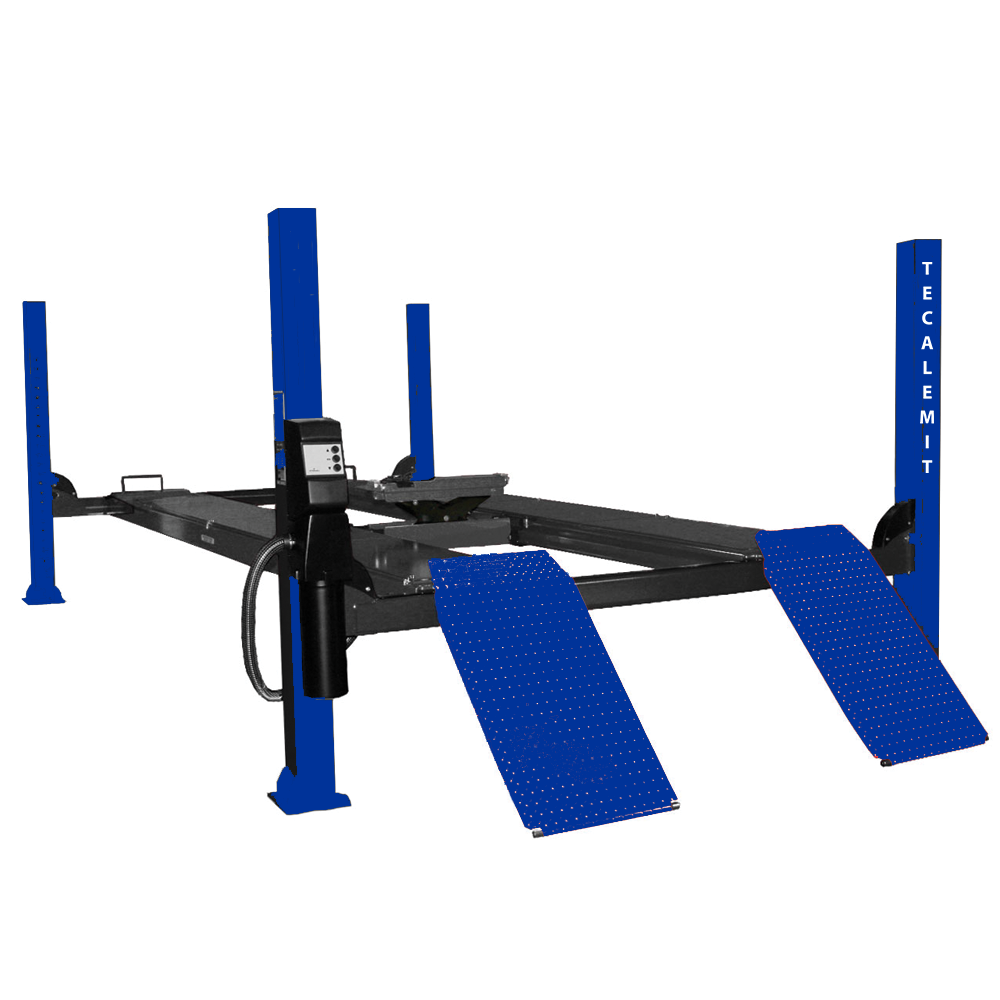


What Is an MOT or ATL Lift?
An MOT lift, sometimes referred to as an MOT ramp, is a specialist vehicle lift used in MOT testing bays and automated test lanes.
These lifts are designed to support the vehicle on drive-on platforms while inspection equipment is used to test suspension, steering and braking systems. Unlike general workshop lifts used for servicing and repairs, MOT lifts are designed specifically to meet DVSA testing requirements.
MOT lifts are commonly installed in:
Class 4 MOT bays
Class 7 MOT bays
Automated Test Lanes (ATL)
Vehicle inspection stations
How MOT Lifts Differ from Standard Four Post Lifts
Although MOT lifts are typically four post lifts, they include several specialised features required for vehicle testing.
Standard four post lifts are designed primarily for servicing vehicles and providing access underneath the vehicle for maintenance work. In contrast, MOT lifts are designed to allow inspectors to test suspension, steering and other safety components while the vehicle remains supported on its wheels.
Key differences include:
-
MOT lifts are fitted with hydraulic play detectors (often called shaker plates). These allow inspectors to check suspension components, ball joints and steering linkages while the vehicle is under load.
-
Vehicles are driven onto the lift platforms rather than lifted by arms. This keeps the vehicle in a natural position for inspection.
-
Many MOT lifts include recessed steering turntables to allow accurate wheel movement during suspension testing.
-
Jacking beams are used with MOT lifts to lift the vehicle wheels clear of the platforms when required for inspection or servicing.
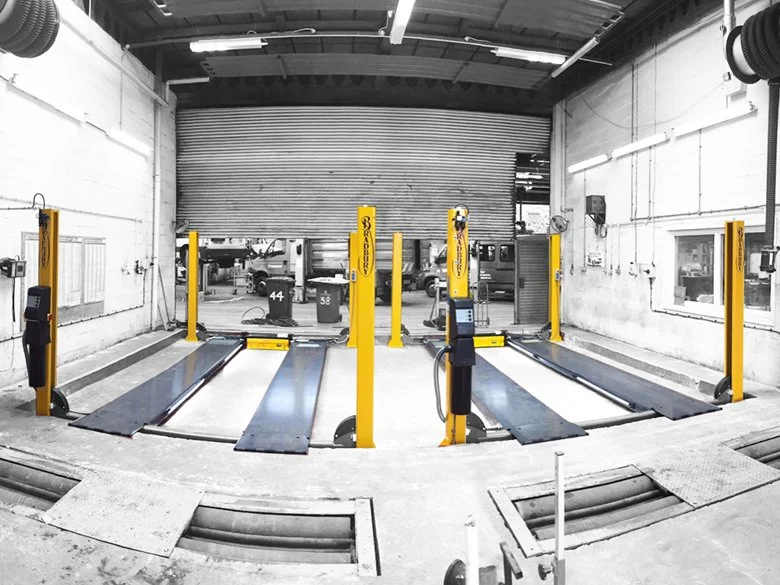
MOT Lifts for Class 4 and Class 7 Vehicles
MOT lifts are designed to accommodate different vehicle classes depending on the testing station.
Class 4 MOT lifts are used for passenger cars and light vans, while Class 7 MOT lifts are designed for heavier vehicles such as larger vans and light commercial vehicles.
Lifts used for Class 7 testing typically feature:
higher lifting capacities
longer platforms
wider drive-through widths
These features allow the lift to accommodate longer wheelbase vehicles safely during inspection.
Features of Professional ATL Lifts
Automated Test Lane lifts are designed to integrate with other MOT testing equipment within the inspection bay.
Typical ATL lift features include:
electro-hydraulic lifting systems
recessed steering turntables
pneumatic play detectors
long drive-on platforms for vans and commercial vehicles
compatibility with brake testers and other MOT testing equipment
Many ATL lifts can also be installed either surface-mounted or recessed into the workshop floor depending on the layout of the MOT bay.
Choosing the right mot lift
When selecting an MOT lift for a testing station, several factors should be considered including lifting capacity, vehicle class and workshop layout.
Workshops operating a Class 4 MOT bay may require a lift with a lower lifting capacity and shorter platforms, while Class 7 testing stations require longer and higher capacity lifts to accommodate larger vehicles.
Choosing the correct lift ensures the MOT testing station operates efficiently and meets DVSA testing requirements.

Frequently Asked Questions about mot & atl lifts
-
An MOT lift is a vehicle lift designed specifically for MOT testing stations. It supports the vehicle on drive-on platforms and includes equipment such as play detectors used to inspect suspension and steering components.
-
An MOT lift is designed for vehicle inspection and includes features such as play detectors and steering turntables, while standard workshop lifts are designed primarily for servicing and repair work.
-
An ATL lift is a vehicle lift used in automated test lanes. These lifts integrate with MOT testing equipment and allow inspectors to carry out safety checks during MOT testing.
-
MOT lifts are designed for different vehicle classes. Class 4 lifts are used for passenger cars and light vans, while Class 7 lifts are designed for larger vans and commercial vehicles.
-
MOT lifts installed in automated test lanes must meet DVSA requirements and be compatible with approved MOT testing equipment used during vehicle inspections.
Major 6530-60 ATL - 6.5 tonne ATL lift with 6100mm platforms (3000mm drive through width).
The AUTOPSTENHOJ Major MOT Series of class 4 & 7 MOT lifts compromises of three different models-two class 4 and one class 7. As with all other Major Lifts, these lifts are electro-hydraulically operated and are fitted with an eccentric brake and an obstruction system with alarm. As standard the lifts are fitted with heavy duty recessed steering turntables and are fully approved for MOT testing.
All AUTOPSTENHOJ lifts are led through a sling purifying plant (according to SA2.50 – ISO-Norm 8501-1:2007), dipped in primer and finally led through an electrostatic powder bake plant.